
Eat Your Veggies! Designer Diary - Part 1
February 2023 - July 2025. A Designer’s Mentality
When I began working on Eat Your Veggies! in February of 2023, I was not thinking about publishing my own games. I was just designing as many games as possible with the eventual goal of pitching my designs to publishers. As a designer, I never felt my job was to make the game perfect, that was the publisher’s job. I was trying to create systems that were fun and worked well together.
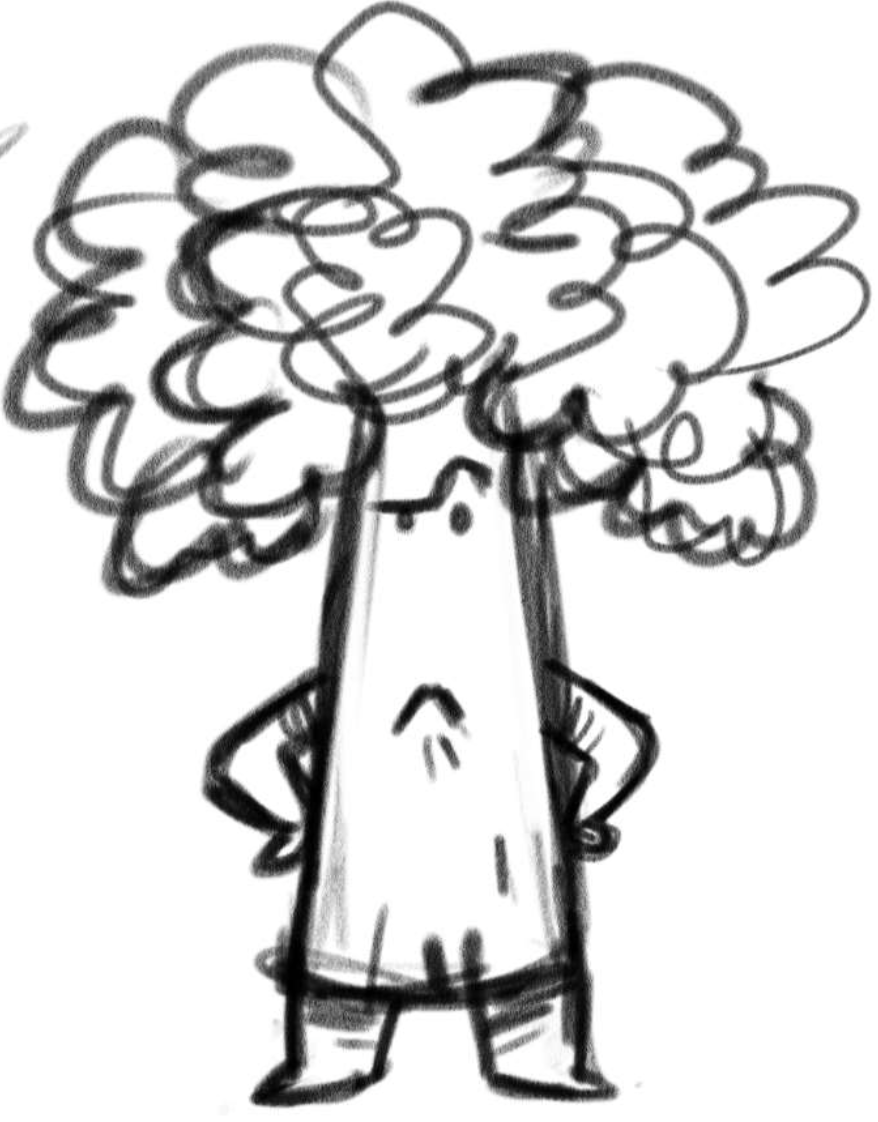
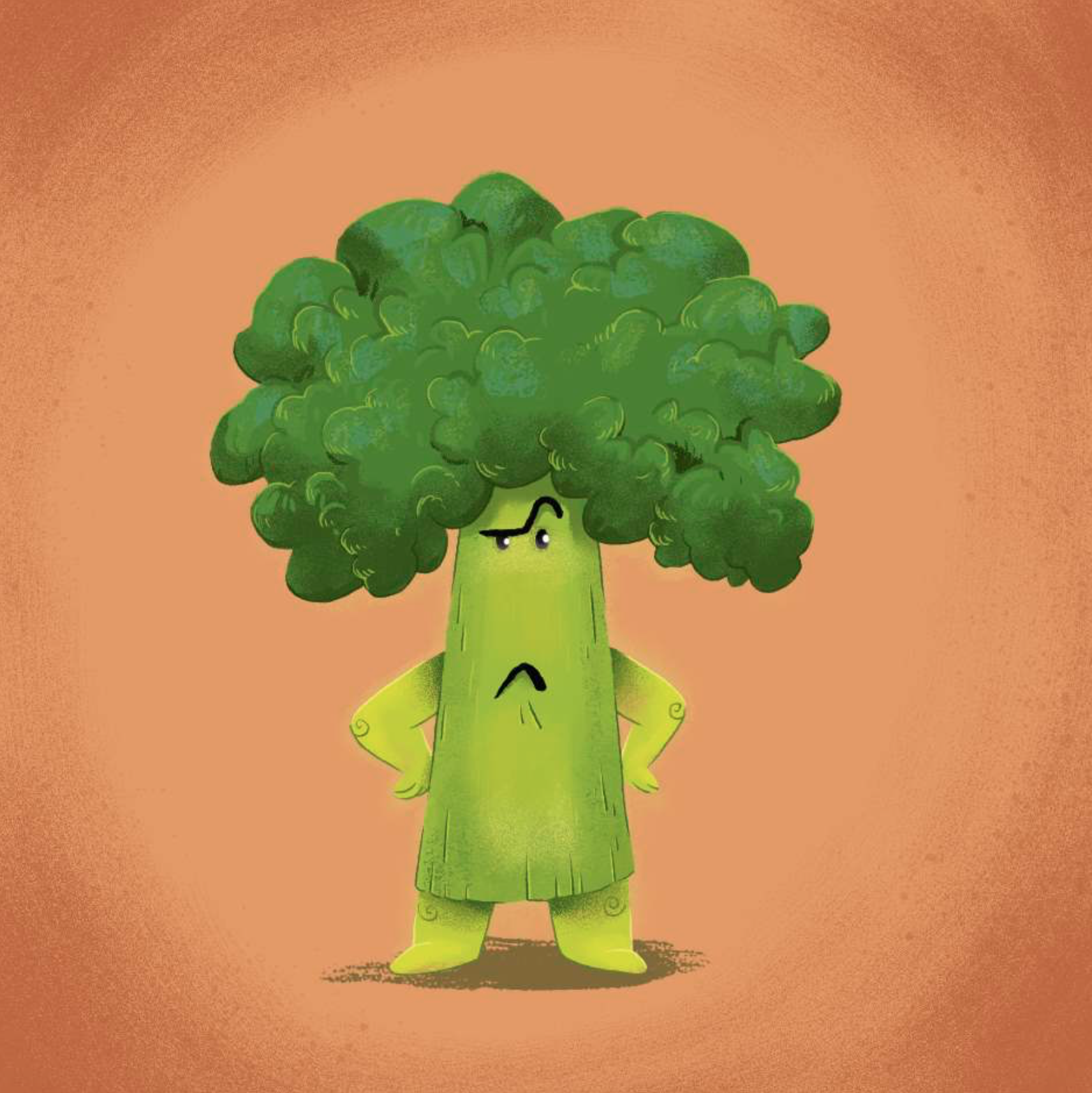
I would make a game, play a few rounds against myself, and if I still liked it after the first self test, I would become giddy to show it to others. Unfortunately, this excitement was frequently short lived. You can only re-explain a rule so many times before it becomes obvious that something isn’t working. And so I would shelve the game, discouraged that what I thought was fun, was in fact - not. I think some designers can push past this feeling of rejection and continue to work on their games, but I can not. It must go to the shelf. I need time and space for inspiration on how to fix it. Inevitably, some games that go to the shelf never make it back off.
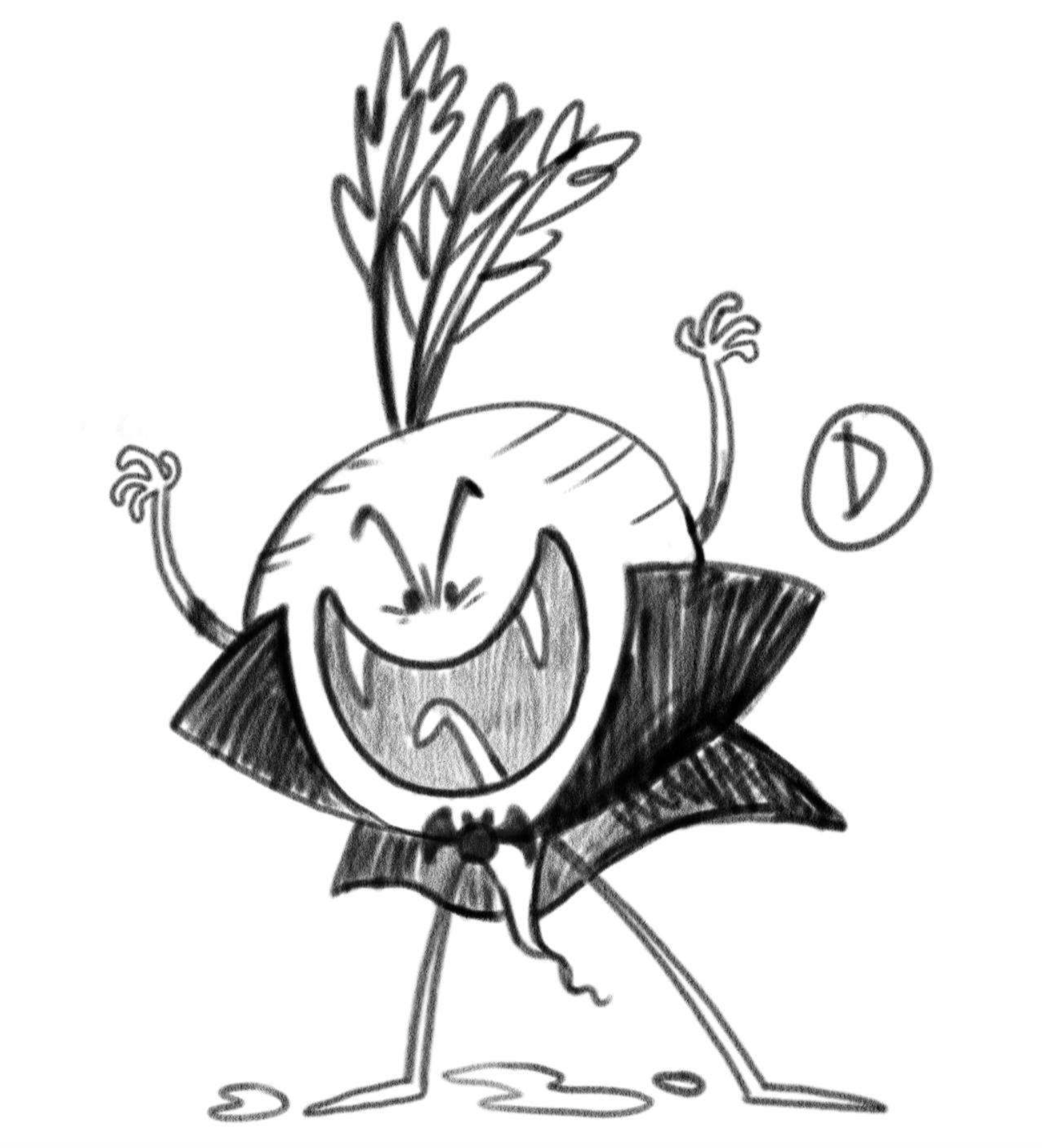
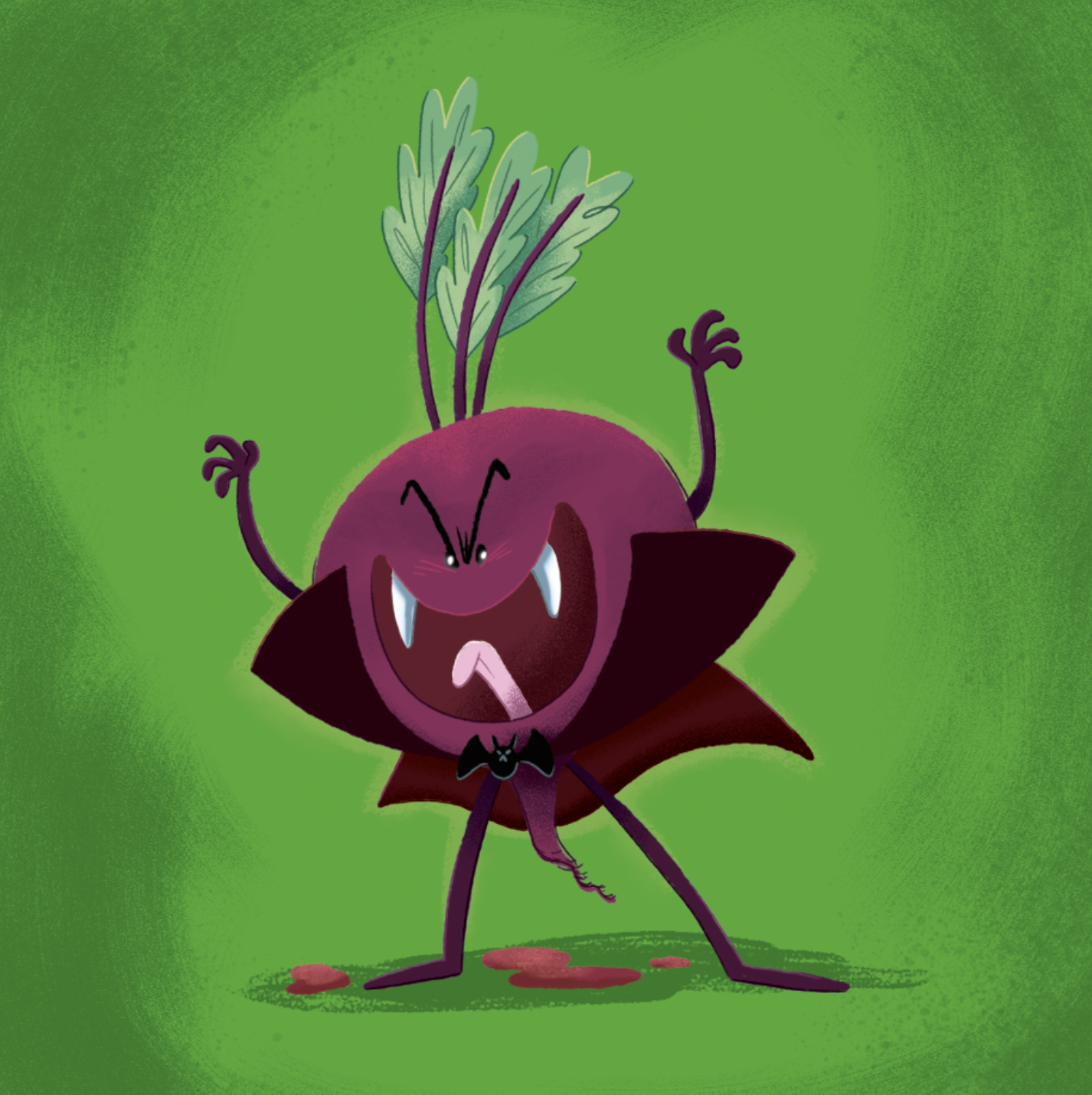
Eat Your Veggies! was put on the shelf many times. But it always made its way back for another playtest. It takes a lot of playtests, many of which are destined to be bad, to make a good game. That’s a lot of feelings of rejection, a lot of time spent on the shelf, and a lot of opportunities to remain on the shelf. Which means, the most important aspect of any of my games, is my reason to work on it. This is why I always start designing a game by trying to answer the question “why this game, instead of another?” I know that I will go through many emotional highs and lows when making a game. The lows will cause me to put it down, not knowing if I will return. If I have a good answer to “why this game, instead of another?”, I know that I will be more likely to finish, and less likely to have invested time into a game that never gets made. In the end, the greatest cost to making a game is the opportunity cost of not making another.
Why Eat Your Veggies! then, instead of any other game? I like to make games that approach common human experiences with a bit of a sense of humor, and having two young children at my dinner table meant that I was pretty often saying “eat your veggies!”. It seemed like the perfect theme for me: everyone’s been on at least one end of the “eat your veggies” conversation, and I could inject plenty of humor into the game. As an added bonus, the relevance of the theme to my everyday life gave me reason to keep working on it after a bad playtest, of which there were plenty.
The Spinner
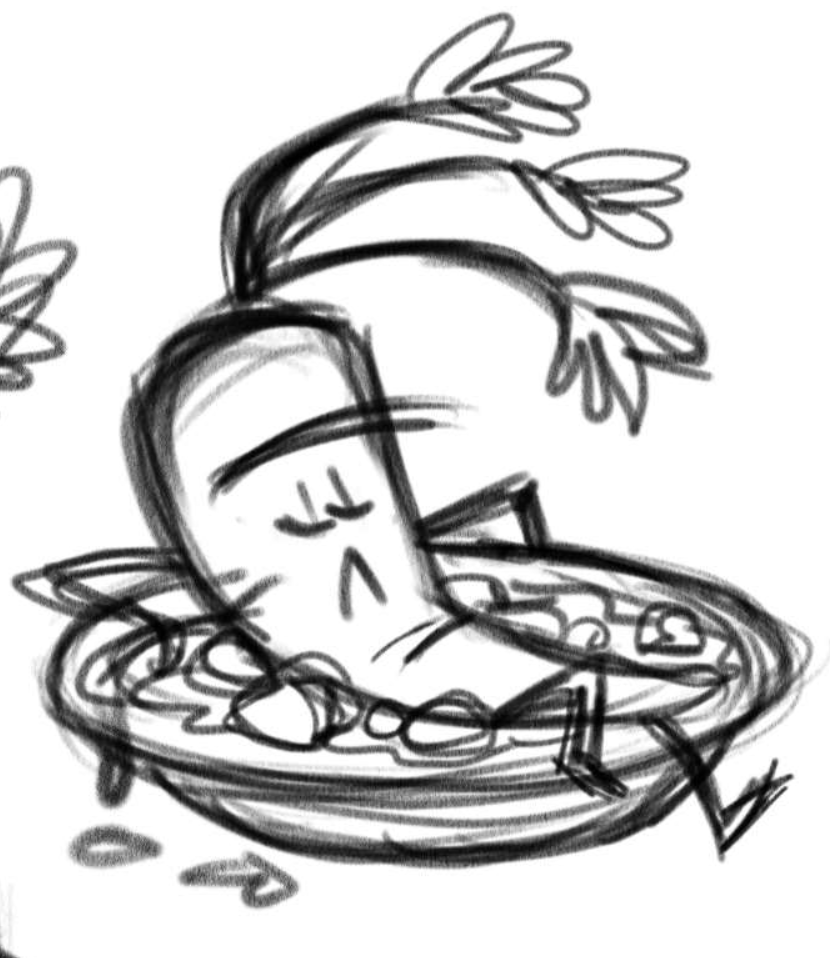
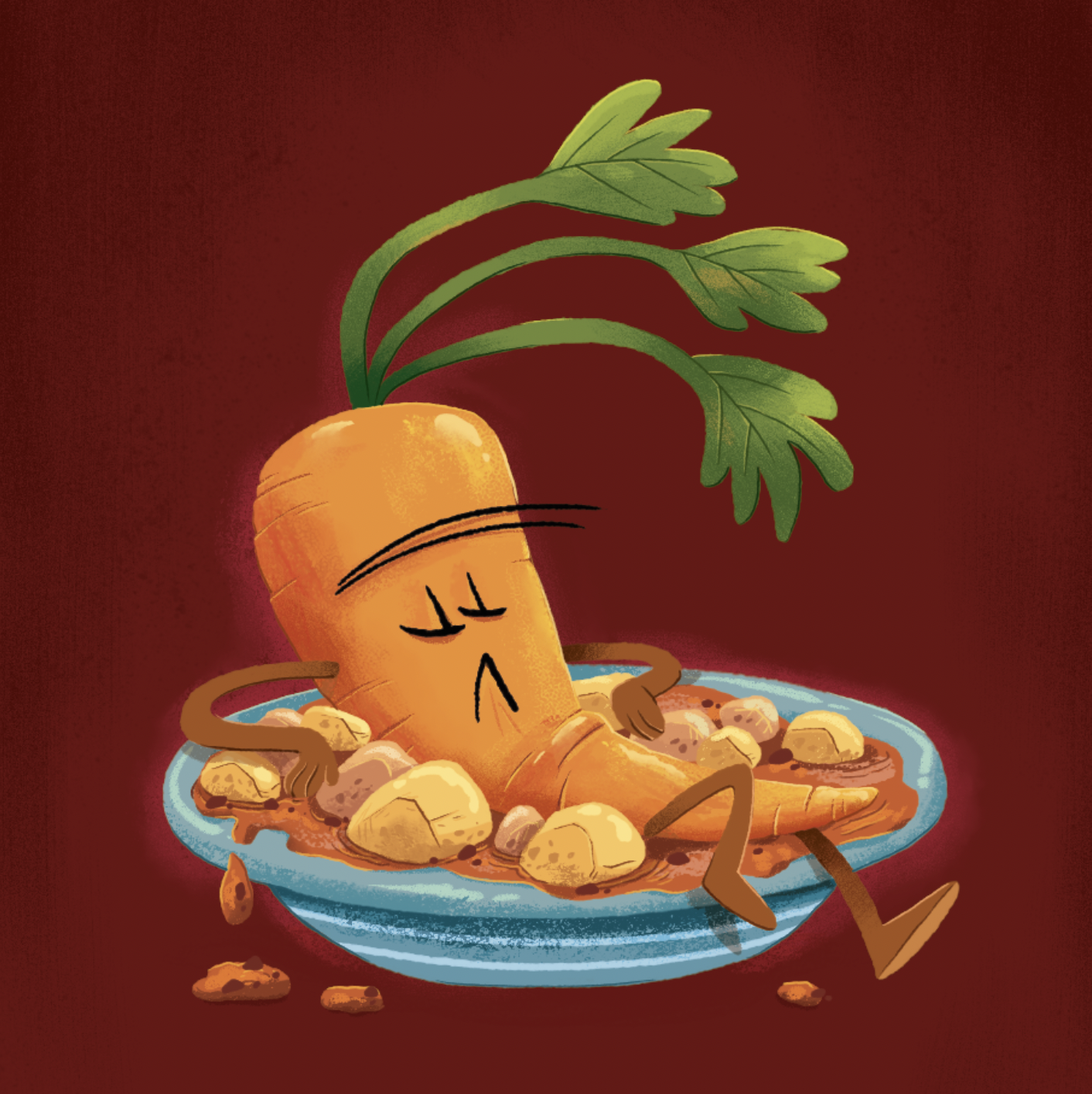
The first mechanical inspiration for Eat Your Veggies! was to include a spinner that represented Mother’s Gaze. If the spinner landed on you, Mother wanted you to eat your veggies, and the further out of view you were from Mother’s Gaze, the better your options were, or the more you could get away with. In direct line of sight? Eat your veggies. Adjacent to that player? Eat your veggies or hide them in your mashed potatoes. Somewhere behind Mom’s view? Eat your veggies, hide them in your mashed potatoes, or feed them to the dog. The spinner was quite fun, but presented a couple of challenges. First, It increased the complexity of the game because each player had different choices than everyone else, so kids had to be reminded what their options were every turn. Second, the spinner represented too much randomness for strategically minded players. One way to solve randomness is to just have more instances of it. The more spins, the more likely it is for the luck to even out. However, the trouble with this solution proved to be that the physical act of spinning a spinner and waiting for it to stop became tedious at the point that the randomness evened out. But the spinner survived through it all, now serving as a randomizer to start each round.
Not Eating Your Veggies
From a very early version of the game, I gave players a way of refusing to eat their veggies, and despite never having played the very popular card game No Thanks!, I was familiar with its mechanism and quickly adopted the negative bidding system that No Thanks! is known for. (In No Thanks!, players are trying to avoid taking cards with numbers on them. The numbers represent points, and the player with the fewest points wins. The only way to avoid the cards is to “pay” one token on your turn, then the next player clockwise will go. It goes round and round until someone decides to to take the card, gaining points which are bad, but also earning all the tokens payed by all the players, which can be used to avoid future cards. In Eat Your Veggies!, players were avoiding eating veggies, but when they ate, earned all of Mother’s Love, which could be used to earn dessert, or used to pay when refusing to eat more veggies.)
When the game still used the spinner between every player’s turn, saying “no thanks” meant spinning again. I liked the unpredictable turn order of the spinner versus the standard clockwise turn order found in No Thanks!, but the spinner proved too random. Sometimes it would land on the same player twice or even three times in a row, other times it would bypass a player for a couple rounds. The latter caused players to complain of not getting a chance to play the game. So the spinner was removed, and the No Thanks! tokens were turned into cards that could change direction of play and skip over players. This ended up solving the other complaint of not getting a chance to play, because the complaint ended up being more tied to the randomness than their turn being skipped. And it’s not “random” if another player is making a choice of who should go next instead of the spinner. The icing on the cake was that players were now interacting with each other to try and force each other to eat the veggies. This interaction proved funny and meaningful to the gameplay, like siblings picking on one another.
The final variation that the cards allowed for that tokens did not, was for each one to be worth a different number of points for earning dessert. Before, players would earn dessert based on how many tokens they had, but that lead to players counting exactly how many tokens everyone had and slowing the game down. Eat Your Veggies! was meant to be quick and each decision meant to be a gut feeling, not a math problem. The “no” cards now have one or two hearts on them, which has served to remove the ability for players to know the order of choosing dessert.





Eating Your Veggies
Players had to eat some veggies during the game, but the negative bidding system worked best if they were always disincentivized to eat them. I started with veggies just taking up space that could otherwise be used for dessert. Dessert being the ultimate goal of the game and the only way to score points. This produced a fairly flat experience, with each serving of veggies feeling exactly like the previous. I added increasingly more negative points to eating one, two, or three of a specific type of veggie, which helped create varying player preferences based on what they had eaten before. The problem with this solution, besides being fairly boring, it also turned each round into a bit of a math problem with a calculable answer. I needed a solution that could 1.) always disincentivize eating veggies, 2.) create dynamic preferences amongst players throughout the game, and 3.) add some unpredictability to the consequence of eating veggies. The final solution, I hope, has achieved these goals.
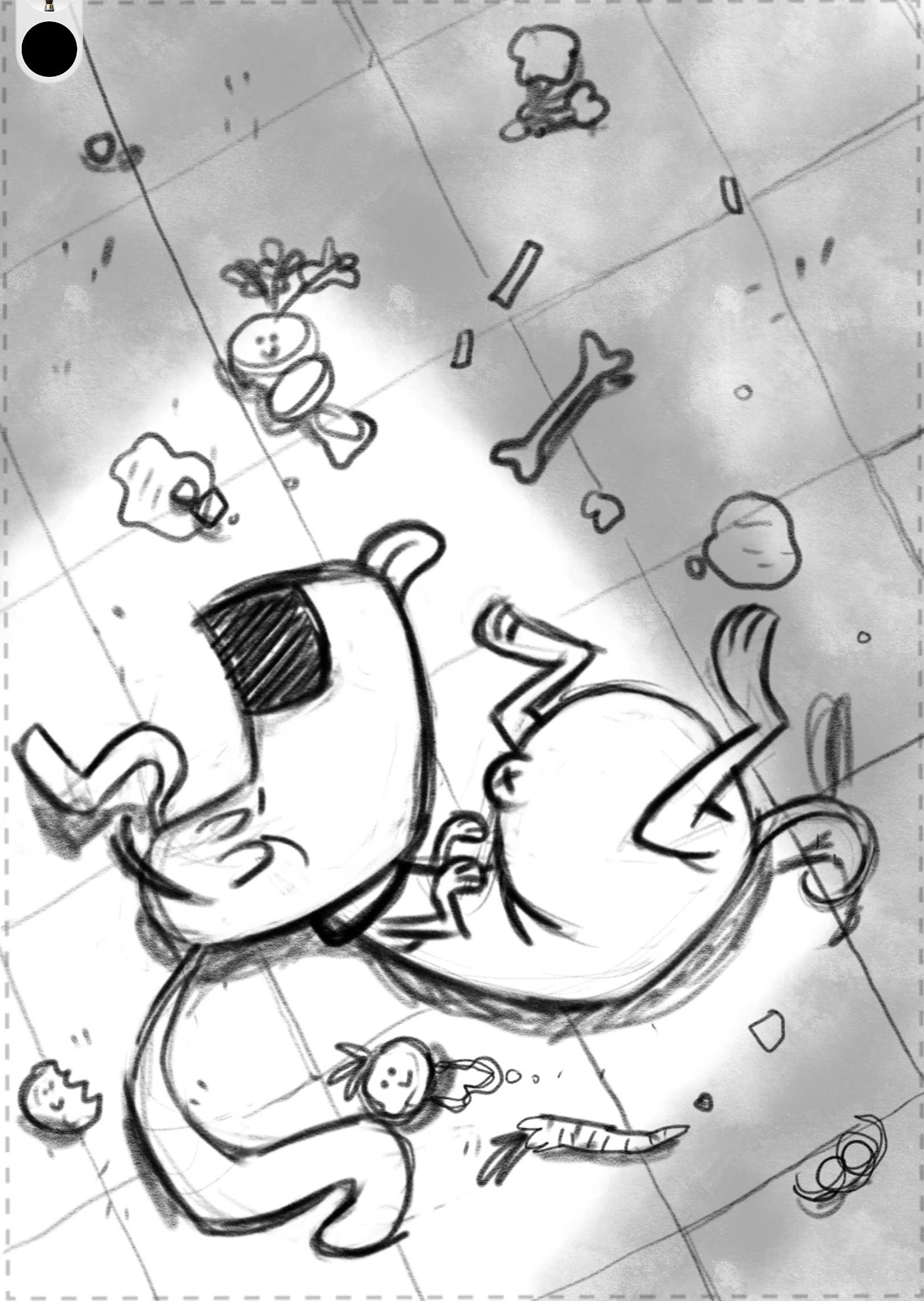
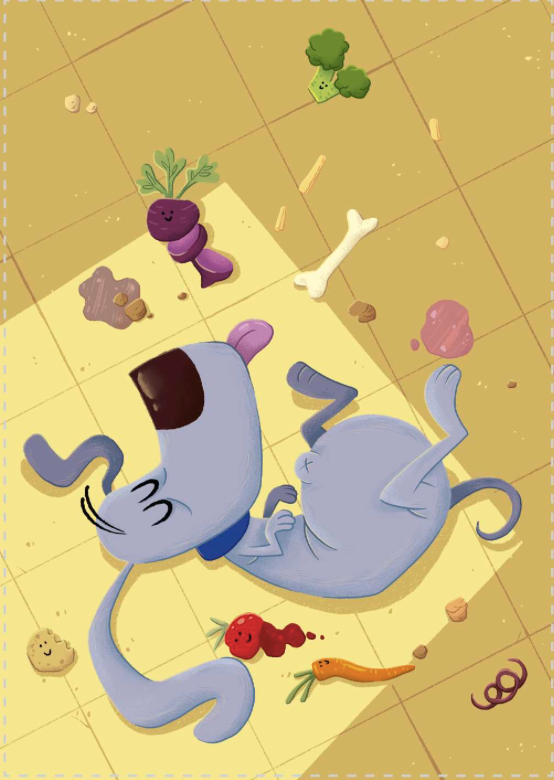
Eating one veggie of any type takes up the space for dessert, so you don’t want to eat one. Eating the second veggie makes it possible to lose an unknown amount of points at the end of the game if the dog has been fed that type of veggie, so you don’t want to eat two. Finally, the third veggie of any type that would be eaten is instead fed to the dog, guaranteeing a chance to lose point for the eater, so you don’t want to eat three. Of course, players won’t be able to avoid eating veggies the entire game, so they will have to choose when and what types of veggies they want to eat. They will need to figure out if it is better to eat one of each veggie, or many of just one type, or something in between.
This has been Part 1, where I take a look at the creation of Eat Your Veggies! from the perspective of a designer. Join me for Part 2, where I look at how Eat Your Veggies! evolved once I decided to publish the game on my own.